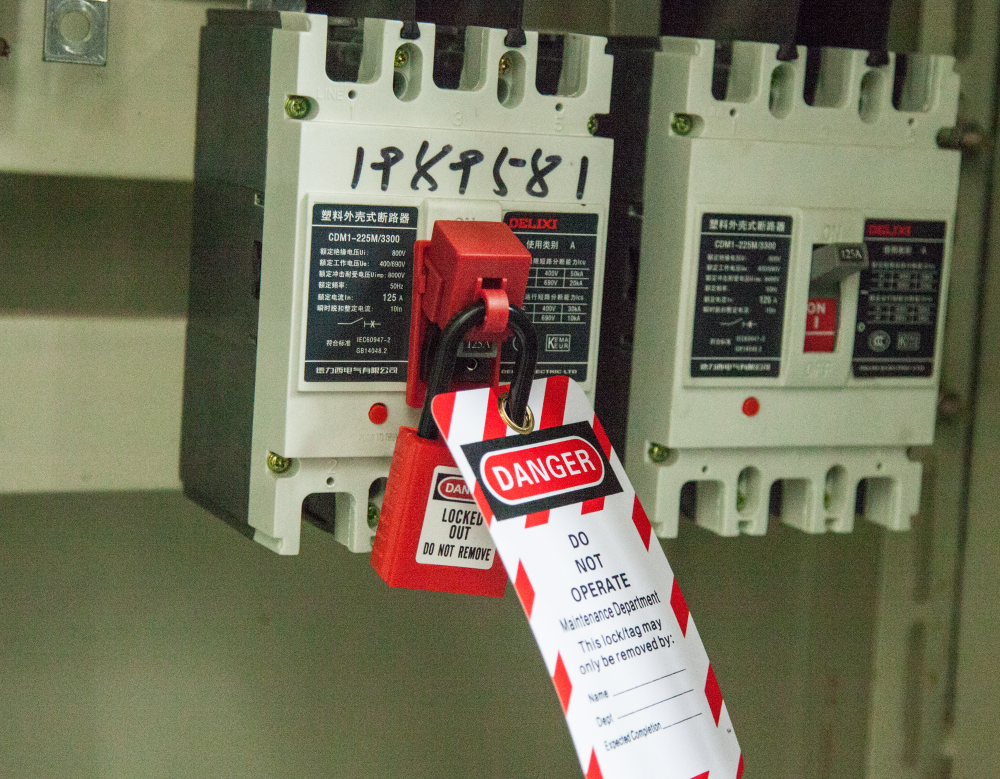
Every year, hundreds of workers suffer serious injuries—or worse—during equipment servicing. The root cause? Failure to properly de-energize machinery. A lockout tagout (LOTO) log sheet isn’t just paperwork—it’s a critical control point that prevents accidental startup, protects lives, and keeps your facility compliant with OSHA standards.
Yet, too many organizations treat the log sheet as a formality. They copy entries, skip signatures, or fail to update logs in real time. That complacency creates dangerous blind spots. When used correctly, the LOTO log sheet becomes a living document that tracks accountability, verifies procedures, and supports incident investigations.
This guide breaks down how to build, use, and audit an effective LOTO log sheet—no fluff, no jargon, just actionable steps to strengthen your energy control program.
Why a Lockout Tagout Log Sheet Matters
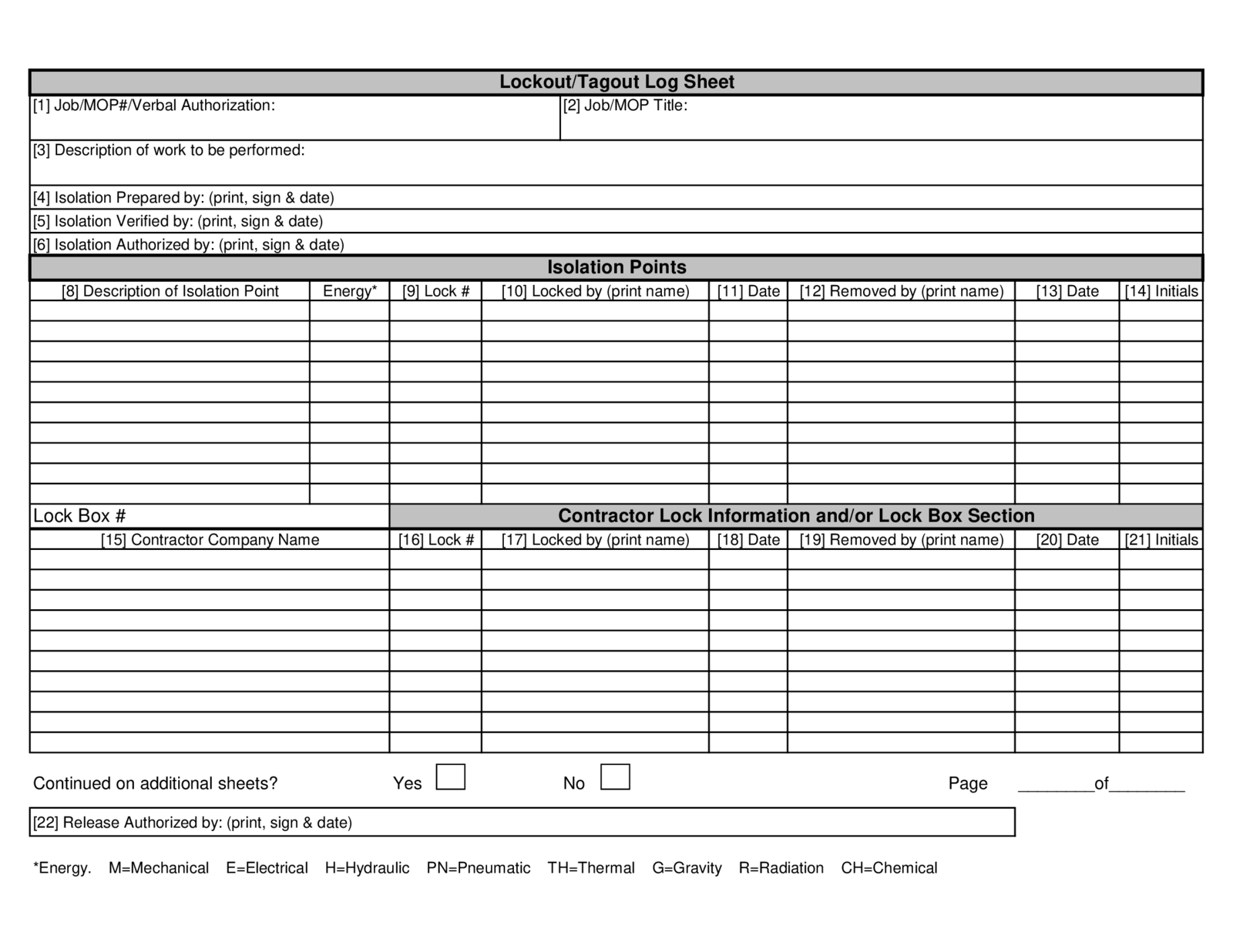
A lockout tagout log sheet records every instance when machinery is isolated from hazardous energy. It’s more than a checklist—it’s the central hub of your LOTO process. Without it, you can’t prove compliance, track maintenance activities, or reconstruct events after a near-miss.
OSHA 1910.147(c)(4) requires employers to document energy control procedures, including employee training and periodic inspections. The log sheet satisfies multiple requirements at once: it verifies authorized personnel performed lockout, confirms equipment was de-energized, and creates a time-stamped audit trail.
Consider a real-world example: a conveyor system in a food processing plant needs motor replacement. Three technicians apply locks, but only two are listed on the log. During re-energization, the third worker’s lock is overlooked. The machine starts—catastrophe follows. A properly filled log sheet would have flagged the missing name, enforced verification, and possibly prevented tragedy.
Essential Elements of an Effective LOTO Log Sheet
A powerful log sheet isn’t cluttered with unnecessary fields. It includes only the data you need to ensure safety and traceability. Below are the non-negotiable components:
Equipment Identification Name, ID number, and location must be clearly listed. “Conveyor Line 2, Station B” beats “Machine in back.”
Date and Time Stamps Record when lockout begins and ends. Time precision helps correlate with shift changes or maintenance schedules.
Authorized Employee Details Full name, employee ID, and signature. Never use initials or shared accounts.
Type of Energy Isolated List all sources: electrical, hydraulic, pneumatic, thermal, chemical. This confirms a full hazard review occurred.
Lock and Tag Numbers Each lock should have a unique ID tied to the employee. This allows for accountability during shift overlaps.
Supervisor Verification A second signature confirms the isolation was inspected and validated.
Clearance and Re-energization Sign-off Final verification that all tools are removed, personnel are clear, and the machine is safe to restart.
Leaving any of these out weakens the document’s legal and operational value.
Common Mistakes That Undermine LOTO Logs
Even seasoned safety teams make errors that compromise the integrity of their log sheets. Watch for these pitfalls:
- Pre-filling forms: Logging entries before work begins defeats the purpose. Real-time documentation ensures accuracy.
- Ghost tagging: Using tags without physical locks creates false assurance. Tags alone don’t prevent startup.
- Shared locks or master keys: These bypass individual accountability. Each worker must use their own lock.
- Inconsistent storage: If log sheets are scattered across binders, emails, or notebooks, retrieval during audits becomes chaotic.
- Failure to archive: OSHA requires LOTO records to be kept for at least one year. Digital backups prevent loss.
One manufacturing plant faced a $78,000 OSHA fine after an inspector found 60% of LOTO logs were unsigned or missing end times. The issue wasn’t lack of procedure—it was poor execution of documentation.
Digital vs. Paper LOTO Log Sheets: What Works Better?
The debate isn’t about which format is “better” overall—it’s about what fits your operation.
| Factor | Paper Logs | Digital Logs |
|---|---|---|
| Setup Cost | Low | Moderate to high |
| Real-Time Access | No | Yes |
| Audit Readiness | Manual sorting | Instant search/export |
| Risk of Loss | High (fire, water, misfiling) | Low (cloud backup) |
| Integration | None | With CMMS, ERP, access controls |
For small facilities with stable teams, paper logs can work—if rigorously managed. But for plants with rotating shifts, multiple departments, or remote teams, digital systems reduce errors and streamline compliance.
A chemical processing facility reduced LOTO violations by 63% after switching to a tablet-based log system. Workers scanned QR codes on equipment, auto-populated details, and submitted logs with digital signatures. Supervisors received alerts for overdue clearances.
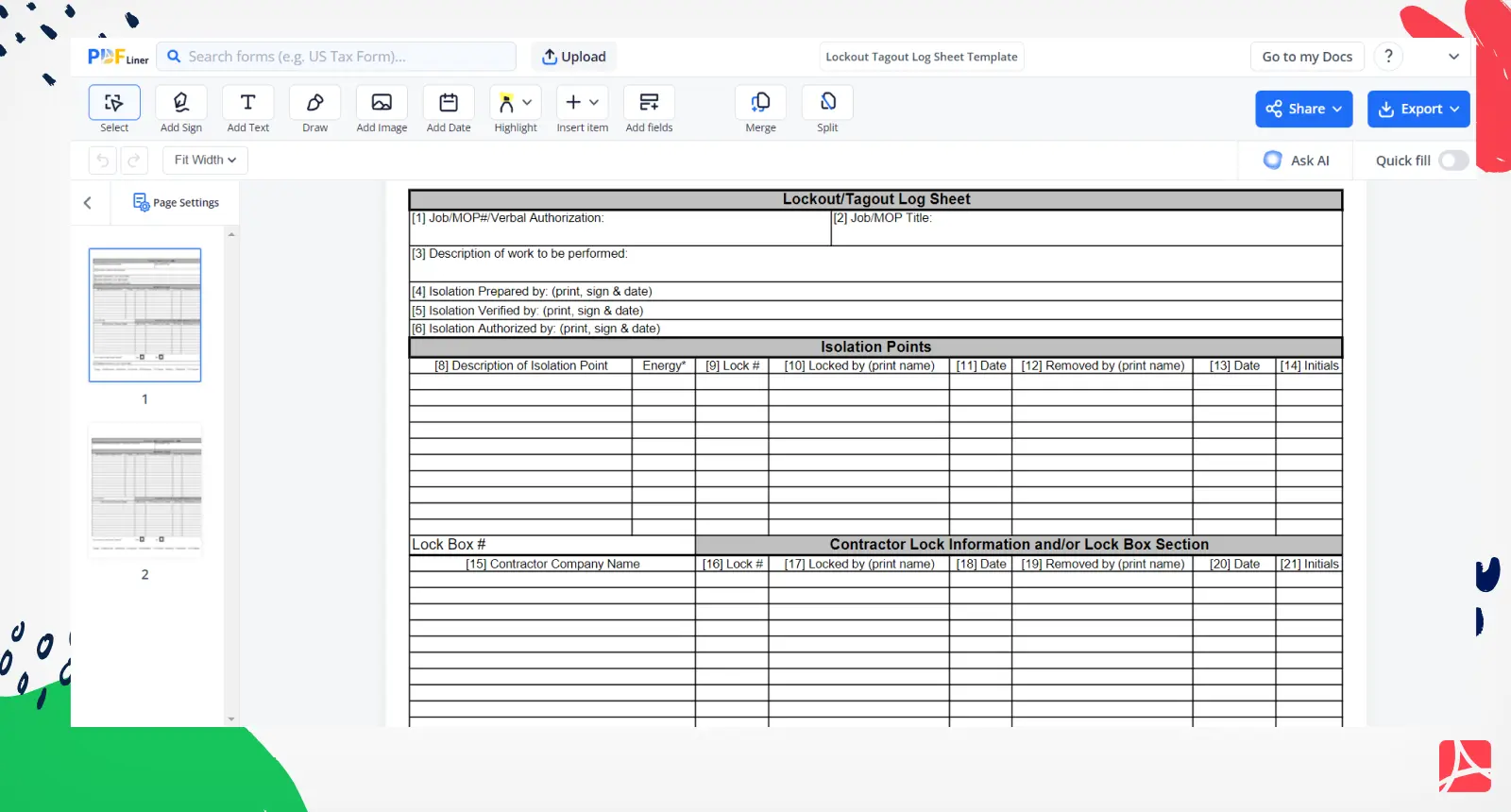
Digital doesn’t have to mean complex. Even basic mobile forms with offline capability improve accuracy over handwritten sheets.
5 Practical LOTO Log Sheet Templates You Can Use
You don’t need to build from scratch. These templates cover most industrial needs:
- Basic Single-Equipment Log
- Ideal for routine maintenance on standalone machines. Includes space for one equipment ID, up to five locks, and dual sign-offs.
- Group Lockout Tracker
- Designed for team-based servicing. Tracks each worker’s lock number, department, and release confirmation.
- Multi-Energy Isolation Form
- For complex systems (e.g., presses, reactors). Requires check-offs for each energy type and verification initials.
- Shift-Overlap Handover Sheet
- Critical when maintenance spans shifts. Documents outgoing locks, incoming acknowledgments, and supervisor approval.
- Monthly LOTO Activity Summary
- Not for individual jobs, but for management review. Tracks total lockouts, deviations, and audit findings.
All templates should be customizable and available in both print and digital formats. Store them in a central safety portal or on-site kiosks.
How to Audit Your LOTO Log Sheets Effectively
A log sheet is only as good as your follow-up. OSHA mandates annual inspections of energy control procedures. Use this checklist during audits:
- Are all required fields completed for the last 10 log entries?
- Do lock numbers match the employee listed?
- Is there evidence of supervisor verification?
- Are expired log sheets archived for at least 12 months?
- Are corrections made with strikethroughs (never white-out)?
During one audit, a refinery discovered that 12% of log sheets had mismatched times—lock removal occurred before clearance was signed. This triggered a retraining program and tighter digital time-stamping.

Audit findings should lead to action—not just a report. Track recurring gaps and tie them to process improvements.
Integrating LOTO Logs into Broader Safety Workflows
The log sheet shouldn’t live in isolation. Connect it to:
- Pre-job safety briefings: Review the log format and roles before starting work.
- Maintenance management systems (CMMS): Link LOTO completion to work order status.
- Incident reporting: Reference log numbers in near-miss or injury reports.
- Training records: Confirm employees are certified for LOTO before they sign a log.
A wastewater treatment plant tied LOTO log completion to permit-to-work approvals. No completed log, no job start. This reduced unauthorized maintenance by 90% in six months.
Integration turns compliance from a checkbox into a culture.
Real-World Example: How a Brewery Avoided a Steam Incident
At a regional craft brewery, a technician needed to repair a steam valve on a kettle. He followed LOTO protocol: shut off the main valve, bled residual pressure, applied his lock, and filled out the log sheet—listing steam as the isolated energy source.
Later, another worker attempted to restart the system, unaware of the repair. He checked the LOTO log board, saw the active lock entry, and stopped. A quick call confirmed the technician was still inside the work zone.
Because the log was visible, accurate, and consulted, a potential scalding incident was avoided. This wasn’t luck—it was process working as designed.
Final Step: Make Your LOTO Log Sheet a Living Document
A lockout tagout log sheet is only paperwork until it’s used with discipline. Start by auditing your current logs for completeness. Train teams on proper use—not just once, but annually and after incidents. Choose a format that fits your workflow, whether paper or digital.
Then, make it visible. Post log summaries in break rooms. Review entries in safety meetings. Reward accuracy, not speed.
Your log sheet isn’t just about compliance. It’s a promise—to every worker—that the machine won’t start until everyone is safe.
Update your template today. Verify every entry tomorrow. Repeat until it’s routine.
FAQ
What should I do if a LOTO log sheet is missing? Treat the equipment as uncontrolled. Do not re-energize until a full verification is completed and a new log is initiated.
Can multiple people use the same log sheet for one job? Yes, but each worker must sign and list their individual lock number. Use a group log format for clarity.
How long should we keep completed LOTO logs? OSHA requires at least one year of records for auditing and compliance verification.
Do I need a log sheet for every LOTO event? Yes. Every time energy is isolated for servicing, a log must be completed and signed.
Can digital signatures be used on LOTO logs? Yes, if the system ensures authenticity, integrity, and traceability—such as encrypted login credentials.
Should contractors fill out the same log sheets? Yes. Contractors must follow your LOTO program and be listed on the log with their identification.
Who is responsible for maintaining LOTO log sheets? The employer retains overall responsibility, but authorized employees and supervisors complete and verify each entry.
FAQ
What should you look for in Lockout Tagout Log Sheet Best Practices and Templates? Focus on relevance, practical value, and how well the solution matches real user intent.
Is Lockout Tagout Log Sheet Best Practices and Templates suitable for beginners? That depends on the workflow, but a clear step-by-step approach usually makes it easier to start.
How do you compare options around Lockout Tagout Log Sheet Best Practices and Templates? Compare features, trust signals, limitations, pricing, and ease of implementation.
What mistakes should you avoid? Avoid generic choices, weak validation, and decisions based only on marketing claims.
What is the next best step? Shortlist the most relevant options, validate them quickly, and refine from real-world results.