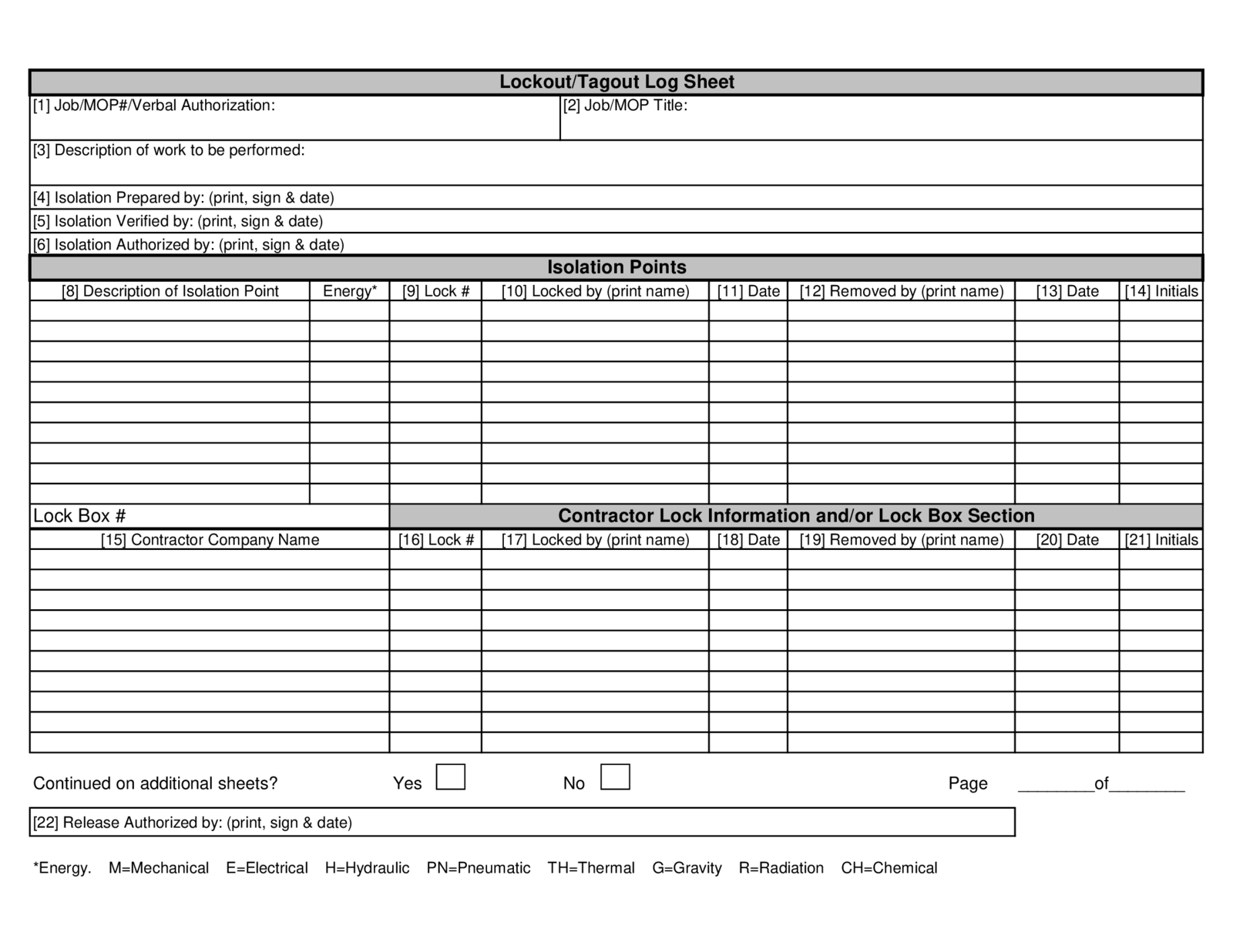
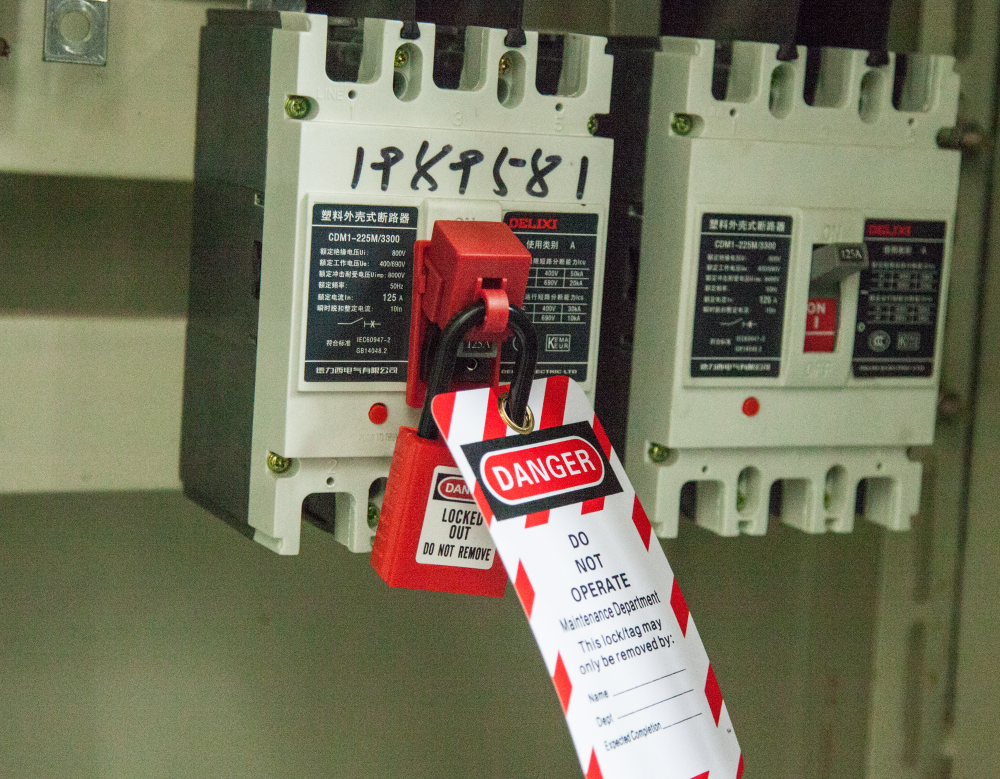
Workers are injured every year not because machines fail—but because energy sources aren’t properly controlled. A sudden release of electrical, mechanical, hydraulic, or thermal energy during maintenance can lead to amputations, burns, or fatalities. The lockout tagout (LOTO) policy and procedure is the frontline defense against these preventable tragedies. Yet, too many organizations treat LOTO as a compliance checkbox rather than a living safety system. This guide breaks down what a robust lockout tagout policy and procedure truly requires—not just to meet OSHA standards, but to protect people.
What Is a Lockout Tagout Policy?
A lockout tagout policy is a formal, documented commitment by an organization to control hazardous energy during servicing or maintenance of equipment. It outlines roles, responsibilities, and expectations for employees, supervisors, and safety officers. Unlike the procedure—which details step-by-step actions—the policy sets the tone, authority, and scope.
A strong LOTO policy includes: - A clear statement of intent to protect workers - Definition of covered equipment and energy types - Designation of authorized and affected employees - Requirements for training and periodic audits - Enforcement mechanisms for non-compliance
Example: A manufacturing plant’s LOTO policy may state that no maintenance work will begin until all energy sources are isolated and verified de-energized—even for routine adjustments. This policy is referenced in onboarding, posted near high-risk machines, and reviewed annually during safety audits.
Without a well-defined policy, procedures lack authority. Workers may bypass steps, assume verbal agreements are enough, or fail to use proper devices. The policy ensures consistency across shifts, departments, and contractor interactions.
Understanding the Lockout Tagout Procedure
While the policy sets the foundation, the LOTO procedure provides the actionable roadmap. It’s a detailed, equipment-specific sequence that employees follow to safely shut down, isolate, lock, tag, and verify the absence of energy.
A compliant LOTO procedure typically includes these steps:
- Preparation – Identify all energy sources (electrical, pneumatic, gravity, etc.) and required lockout devices.
- Shutdown – Notify affected employees and shut down the machine using normal stopping procedures.
- Isolation – Physically disconnect energy sources (e.g., flip breaker, close valve).
- Application of Locks and Tags – Attach locks (only the worker holds the key) and tags with name, date, and reason.
- Release of Stored Energy – Bleed pressure, drain fluids, block moving parts.
- Verification of Isolation – Attempt to restart (using a test run) to confirm zero energy.
- Restoration – After work, remove locks/tags only by the original installer, re-energize, and notify team.
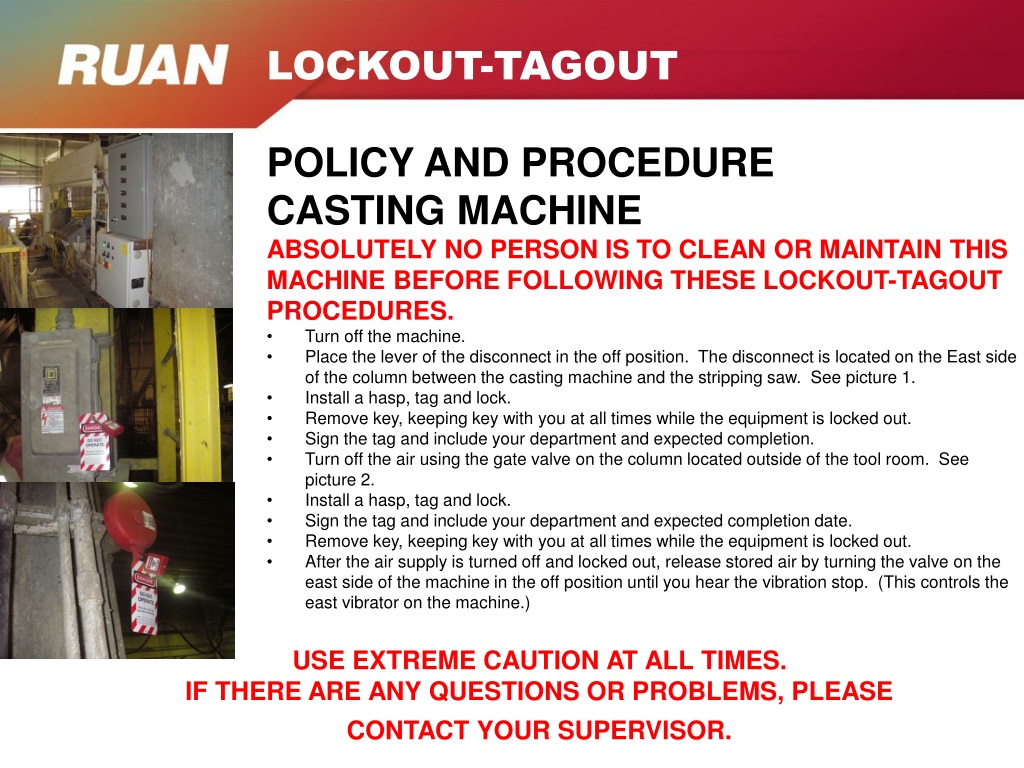
Practical Use Case: A technician servicing a conveyor belt must follow the LOTO procedure specific to that system. This includes locking out the main motor disconnect, blocking rollers to prevent movement from gravity, and verifying no residual voltage with a meter. Skipping any step risks serious injury.
Procedures must be written for each piece of equipment or group of similar machines. Generic instructions fail because a hydraulic press has different energy risks than a CNC lathe.
Why OSHA Compliance Isn’t Enough
Meeting OSHA’s 29 CFR 1910.147 is mandatory—but minimal. Many companies pass audits yet still experience incidents because compliance doesn’t guarantee cultural adoption.
Common compliance gaps include: - Using tags without locks (tags alone don’t provide physical restraint) - Allowing group lockout without clear coordination - Failing to retrain after process changes - Not conducting annual inspections of procedures
Real-World Mistake: A maintenance team uses a single lock on a disconnect box for multiple workers. When one worker removes their lock early, the machine re-energizes unexpectedly. OSHA requires each worker to apply their own lock—individual control prevents this risk.
True safety goes beyond checklists. It requires leadership buy-in, visible enforcement, and a culture where stopping work for a safety concern is encouraged, not penalized.
Roles and Responsibilities in LOTO
A successful LOTO system depends on clearly defined roles. Confusion over who does what leads to gaps in protection.
Authorized Employees These are trained personnel who physically lock out machines and perform servicing. They must: - Understand energy types and isolation methods - Apply and remove their own locks - Verify zero energy before starting work
Affected Employees Operators who use the equipment but don’t perform maintenance. They must: - Recognize when LOTO is in use - Never attempt to re-energize locked equipment - Follow startup protocols after work is complete
Supervisors Oversee LOTO implementation and ensure compliance. Responsibilities include:
- Ensuring procedures are up to date
- Scheduling training and audits
- Investigating near misses or violations
Workflow Tip: Use a LOTO accountability board in high-traffic maintenance areas. Each worker places their lock and ID on the board during servicing. This visual system reduces miscommunication, especially during shift changes.
Common LOTO Failures and How to Fix Them
Even experienced teams make mistakes. Recognizing common pitfalls helps prevent them.
| Failure | Risk | Solution |
|---|---|---|
| Using one lock for multiple workers | Early re-energization | Enforce individual locks and group lockout boxes |
| Skipping verification | Assumption of safety | Require test run or meter check |
| Damaged or generic tags | Miscommunication | Use durable, machine-specific tags with clear info |
| Incomplete procedures | Inconsistent execution | Audit and update procedures quarterly |
| Contractor non-compliance | External risk | Include LOTO requirements in vendor contracts |
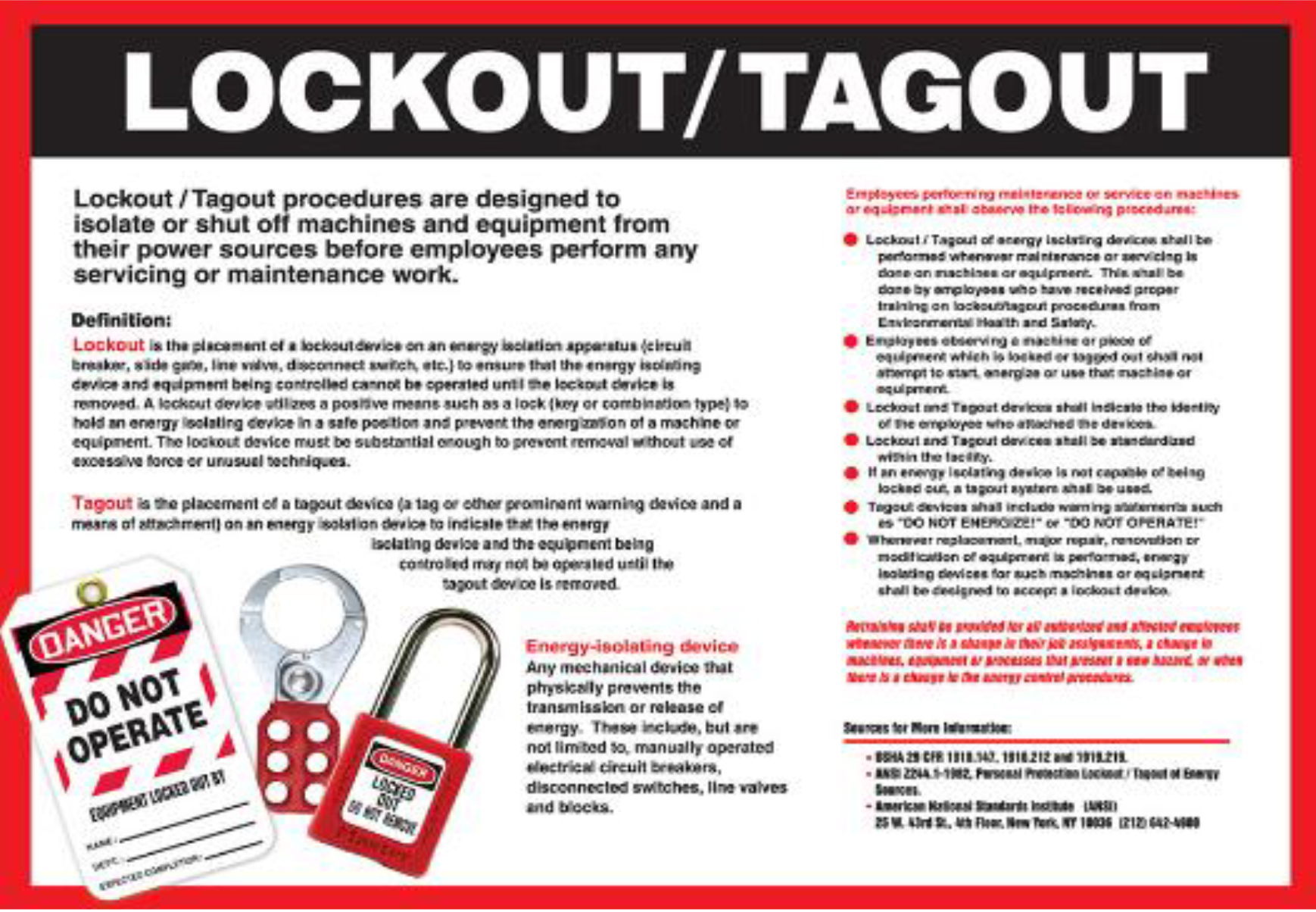
Example Fix: A facility noticed technicians often skipped stored energy release on robotic arms. The solution? Added a photo-based checklist at the lockout station showing how to safely discharge capacitors and block movement. Visual cues improved compliance by 68% in three months.
Tools and Devices for Effective LOTO
The right equipment ensures procedures are practical and reliable. Devices should be standardized, durable, and tamper-resistant.
Essential LOTO Tools
- Lockout Hasps – Allow multiple locks on a single disconnect point.
- Valve Lockouts – Secure closed positions on pneumatic or hydraulic lines.
- Circuit Breaker Locks – Prevent accidental re-energization.
- Tagout Tags – Durable, weather-resistant labels with employee info.
- Group Lockout Stations – Centralized boxes for team maintenance.
Pro Tip: Use color-coded locks by department or shift. Red for maintenance, blue for production, etc. This simplifies identification during audits and emergencies.
Avoid makeshift solutions like zip ties or tape. OSHA does not consider these acceptable lockout devices—they can be easily removed and don’t provide positive control.
Training and Audits: Keeping LOTO Alive
A LOTO policy dies without reinforcement. Training and audits are not one-time events.
Initial and Refresher Training should cover: - Differences between authorized and affected employees - Equipment-specific procedures - Recognition of hazardous energy - Proper use of devices
Annual Inspections are required by OSHA. But leading organizations conduct them quarterly. The audit should: - Observe a live lockout procedure - Verify documentation accuracy - Interview employees on their understanding - Document findings and corrective actions
Realistic Use Case: During an audit, a safety officer observes a technician lock out a packaging machine. The procedure calls for isolating both electrical and air supply. The technician locks the breaker but forgets the air valve. The auditor stops the drill, provides coaching, and schedules a team refresher. This real-time correction prevents future incidents.
Building a Culture of Energy Control
The best LOTO policy fails without cultural support. Workers must believe the system protects them—not just satisfies regulators.
Key Culture-Drivers: - Leadership participation in audits - Recognition for safe behavior (not just punishment for violations) - Open reporting of near misses - Simplified, accessible procedures
When a maintenance worker voluntarily stops a job because a lock was missing, that’s the system working. Reward that behavior. Reinforce that safety is everyone’s job.
A lockout tagout policy and procedure is more than a regulatory requirement—it’s a commitment to human safety. Start by documenting clear, equipment-specific procedures. Train rigorously. Audit consistently. And above all, ensure every worker knows that controlling energy isn’t optional. It’s the foundation of safe work.
Take action today: Review one LOTO procedure in your facility. Verify it includes all energy sources, uses correct devices, and has been recently audited. Fix it if it falls short. Repeat monthly until every machine is covered.
Frequently Asked Questions
What is the difference between lockout and tagout? Lockout uses a physical lock to prevent equipment startup, while tagout uses a warning tag. Lockout provides positive control; tagout alone is less secure and only allowed under specific conditions.
Who needs LOTO training? Authorized employees (who perform maintenance) and affected employees (who operate equipment) both require training, though the depth differs.
How often must LOTO procedures be inspected? OSHA requires annual inspections of each procedure. Best practice is to conduct them more frequently, especially after incidents or equipment changes.
Can multiple people use one lock during maintenance? No. Each authorized worker must apply their own lock. Group lockout devices (like hasp boxes) allow multiple locks on one point but maintain individual control.
Are contractors required to follow your LOTO policy? Yes. Employers must ensure contractors comply with the host site’s LOTO procedures or use an equivalent, coordinated system.
What energy sources are covered under LOTO? Electrical, mechanical, hydraulic, pneumatic, chemical, thermal, and gravitational energy—all must be controlled during servicing.
Can LOTO be bypassed for minor adjustments? Only if the task qualifies under the “minor servicing exception” and the work is routine, repetitive, and on the normal production cycle. Most maintenance does not qualify.
FAQ
What should you look for in Lockout Tagout Policy and Procedure: A Complete Guide? Focus on relevance, practical value, and how well the solution matches real user intent.
Is Lockout Tagout Policy and Procedure: A Complete Guide suitable for beginners? That depends on the workflow, but a clear step-by-step approach usually makes it easier to start.
How do you compare options around Lockout Tagout Policy and Procedure: A Complete Guide? Compare features, trust signals, limitations, pricing, and ease of implementation.
What mistakes should you avoid? Avoid generic choices, weak validation, and decisions based only on marketing claims.
What is the next best step? Shortlist the most relevant options, validate them quickly, and refine from real-world results.