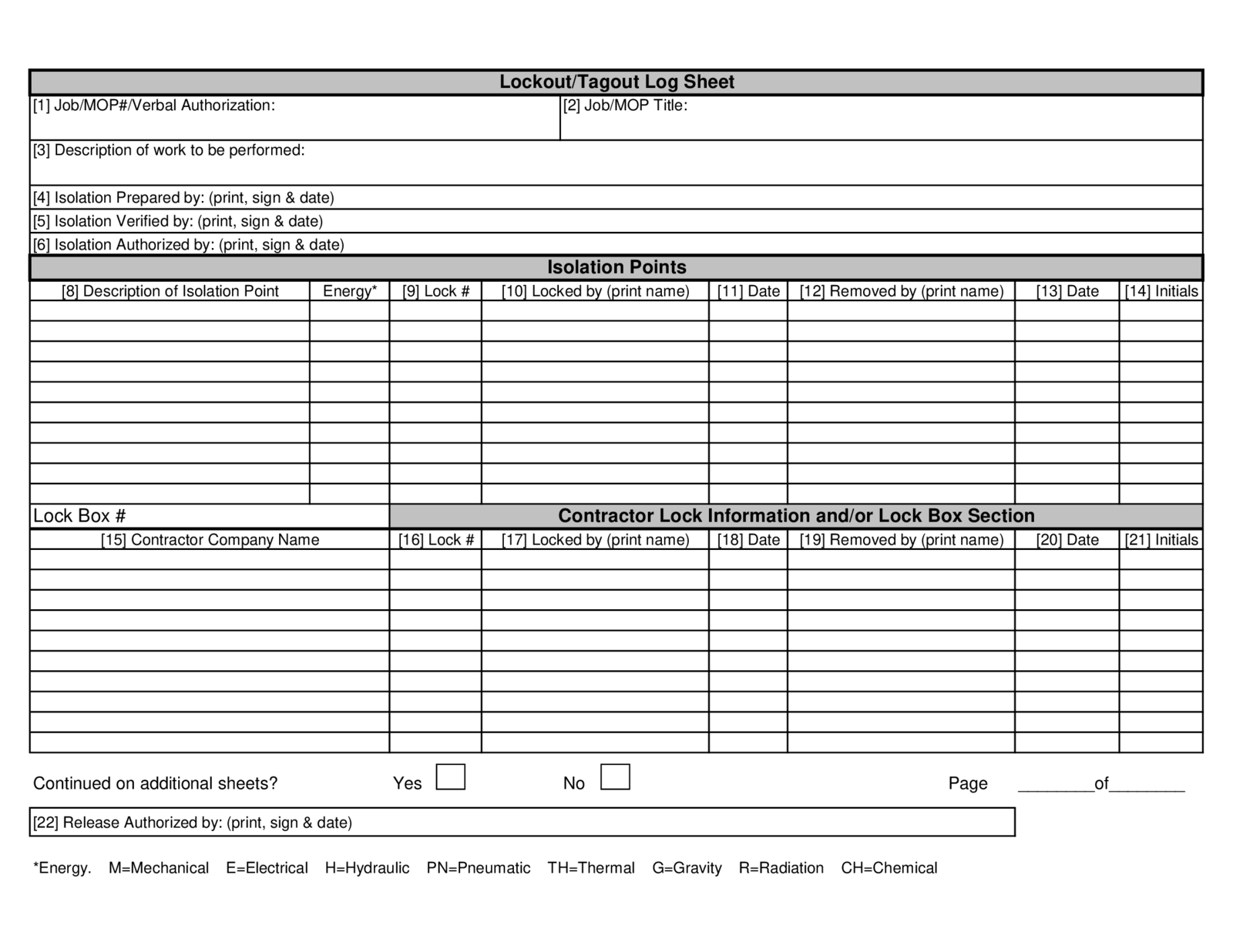
Machines don’t warn you before they start. A momentary lapse—a miscommunication, a premature restart—can lead to catastrophic injury. Across industries, from manufacturing plants to utility stations, one protocol stands between workers and disaster: lockout and tagout. These are not just safety checkboxes. They’re life-preserving systems designed to control hazardous energy during maintenance and servicing.
Yet confusion persists. What exactly is tagout? How does it differ from lockout? And why do both matter when stopping equipment seems as simple as flipping a switch?
The truth is, energy sources—electrical, hydraulic, pneumatic, chemical, even gravitational—can linger long after machines power down. Stored pressure, charged capacitors, or suspended loads don’t disappear because a technician walks away. That’s where lockout and tagout (LOTO) come in.
What Does Lockout Mean?
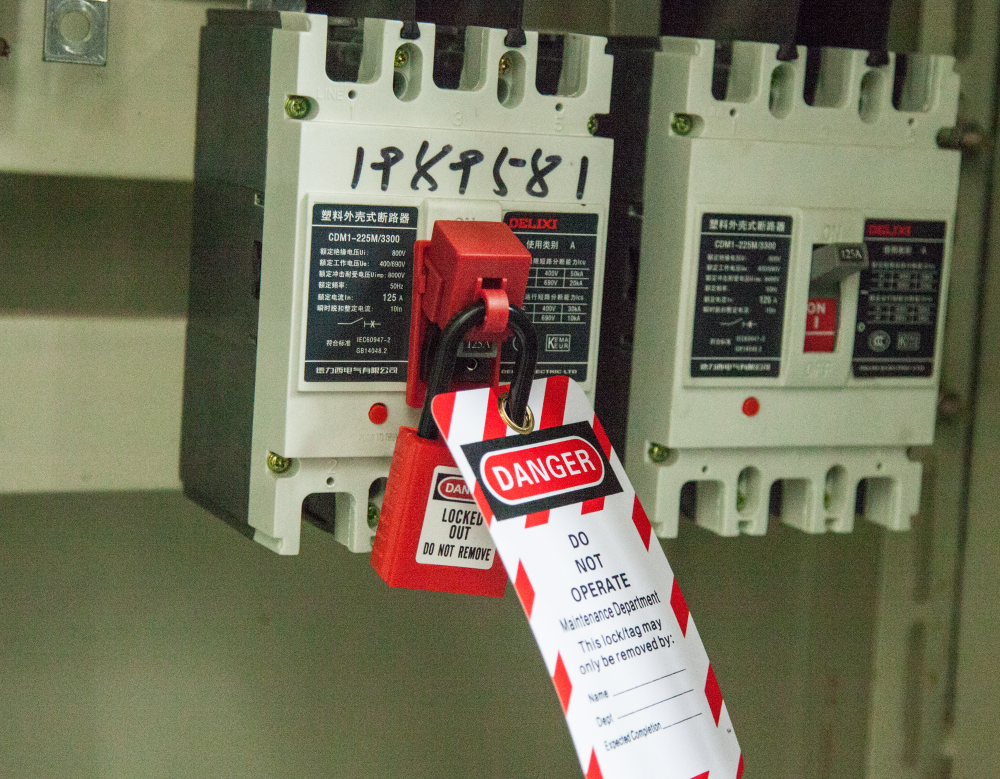
Lockout refers to the physical isolation of energy sources using a secure device that prevents accidental or unauthorized re-energization. Think of it as placing a padlock on a circuit breaker, valve, or disconnect switch. The lock ensures that no one can turn the machine back on until maintenance is complete and the lock is removed by the authorized person.
The process typically involves:
- Identifying all energy sources powering the equipment
- Shutting down the machine using proper procedures
- Isolating each energy source (e.g., flipping breakers, closing valves)
- Applying a lock to each isolation point
- Verifying that zero energy remains (through testing or measurement)
For example, a mechanic repairing a conveyor system in a packaging plant will lock out the main motor disconnect, lock the hydraulic valve, and possibly block moving parts. Each lock is personal—assigned only to the individual performing the work—and cannot be removed by anyone else.
This isn’t just good practice. In the U.S., OSHA’s Control of Hazardous Energy standard (29 CFR 1910.147) mandates lockout procedures in general industry settings where employees service or maintain machines with potentially dangerous energy sources.
What Is Tagout?
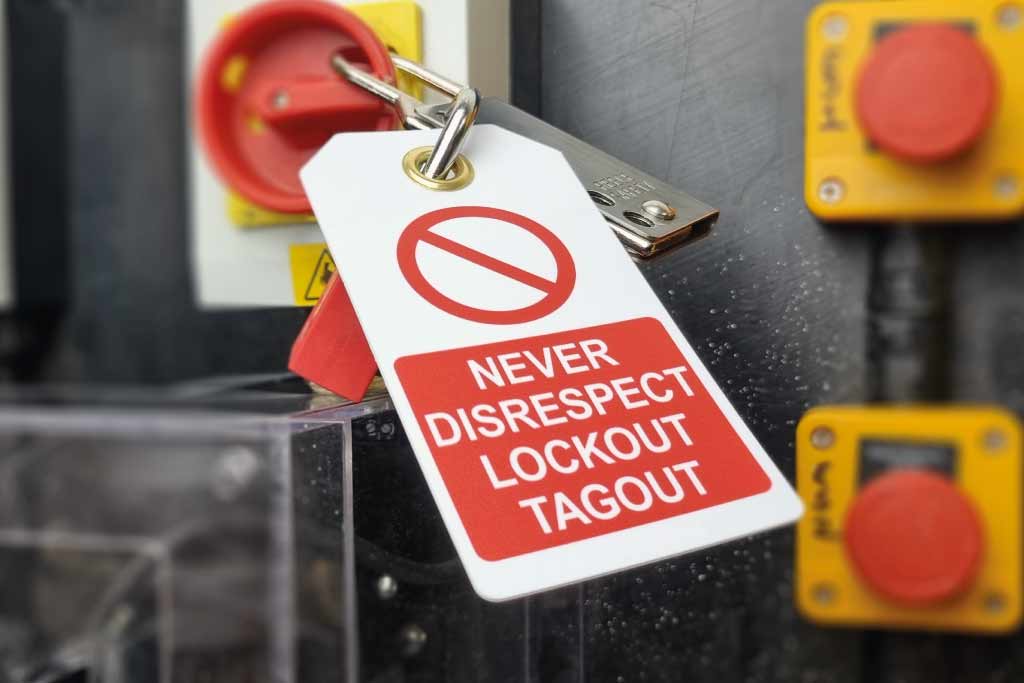
Tagout is the use of a warning tag—usually made of durable material with standardized text and color—attached to an energy-isolating device to indicate that the equipment is not to be operated until the tag is removed. Unlike lockout, tagout doesn’t physically prevent re-energization. It relies on communication and compliance.
Tags often include:
- The name of the person who applied it
- Date and time of application
- Reason for the outage
- Warning language like “Do Not Start” or “Do Not Energize”
While tagout is less secure than lockout, it’s sometimes the only feasible option—such as when equipment lacks standardized lockable disconnects, or in situations where locks might damage components.
But here’s the catch: tagout alone is not sufficient when lockout is possible. OSHA permits tagout as an alternative only when a lock cannot be applied, and even then, it requires additional safety measures like continuous supervision or secondary isolation methods.
Key Differences Between Lockout and Tagout
| Feature | Lockout | Tagout |
|---|---|---|
| Physical Restraint | Yes – uses a lock | No – uses only a tag |
| Prevents Operation | Directly blocks re-energization | Relies on awareness and compliance |
| Security Level | High | Lower, depends on human behavior |
| OSHA Preference | Required when possible | Allowed only when lockout isn't feasible |
| Verification Needed | Mandatory (energy test) | Also required, often with added safeguards |
In practice, the two are often used together. A lock secures the disconnect, while a tag reinforces the message and provides critical information. This combined approach strengthens the system—if the lock fails, the tag serves as a final warning.
When Should You Use Lockout vs. Tagout?
The decision isn’t arbitrary. It hinges on equipment design, workplace conditions, and regulatory requirements.
Use lockout when:
- Energy-isolating devices can accept a lock
- Multiple workers are involved (group LOTO)
- Equipment has a history of accidental startups
- The task involves high-risk energy sources (e.g., pressurized systems)
Use tagout only when:
- Locks cannot be applied due to design limitations
- The tag includes all required information and is tamper-resistant
- Additional protective measures (e.g., supervisor oversight) are in place
For instance, a technician servicing a small air compressor with a non-lockable power switch may use tagout—but only if the supervisor verifies the tag remains in place and no one bypasses it.
A common mistake? Assuming that turning off a machine is enough. In one documented case, a worker climbed into a grain auger to clear a clog. The machine wasn’t locked out. Someone else, unaware of the maintenance, restarted it remotely. The result: fatal injuries. A simple lock could have prevented it.
Real-World LOTO Scenarios
Scenario 1: Industrial Press Maintenance A die is cracked in a 500-ton hydraulic press. The maintenance team follows LOTO: power disconnected, hydraulic lines bled, lock applied to the main disconnect, tag placed. Before reassembly, they test for zero energy by attempting to start the machine (it doesn’t). Only then do they remove locks and resume operation.
Scenario 2: HVAC System Repair An HVAC technician needs to replace a blower motor in a rooftop unit. The circuit breaker is locked out, and a tag details the repair. The tag also lists expected downtime—two hours—so other staff know not to interfere.
Scenario 3: Chemical Processing Line A valve in a chemical reactor needs replacement. The line is drained, isolated, and locked at multiple points—electrical, pneumatic, and feed lines. Tags identify the responsible technician and hazard (toxic vapor exposure if re-energized). A shift change occurs; the new crew sees the locks and tags and knows not to proceed.
These aren’t rare cases. According to OSHA, compliance with LOTO procedures prevents an estimated 120 fatalities and 50,000 injuries annually.
Common LOTO Mistakes and How to Avoid Them
Even experienced teams make errors. The most dangerous ones include:
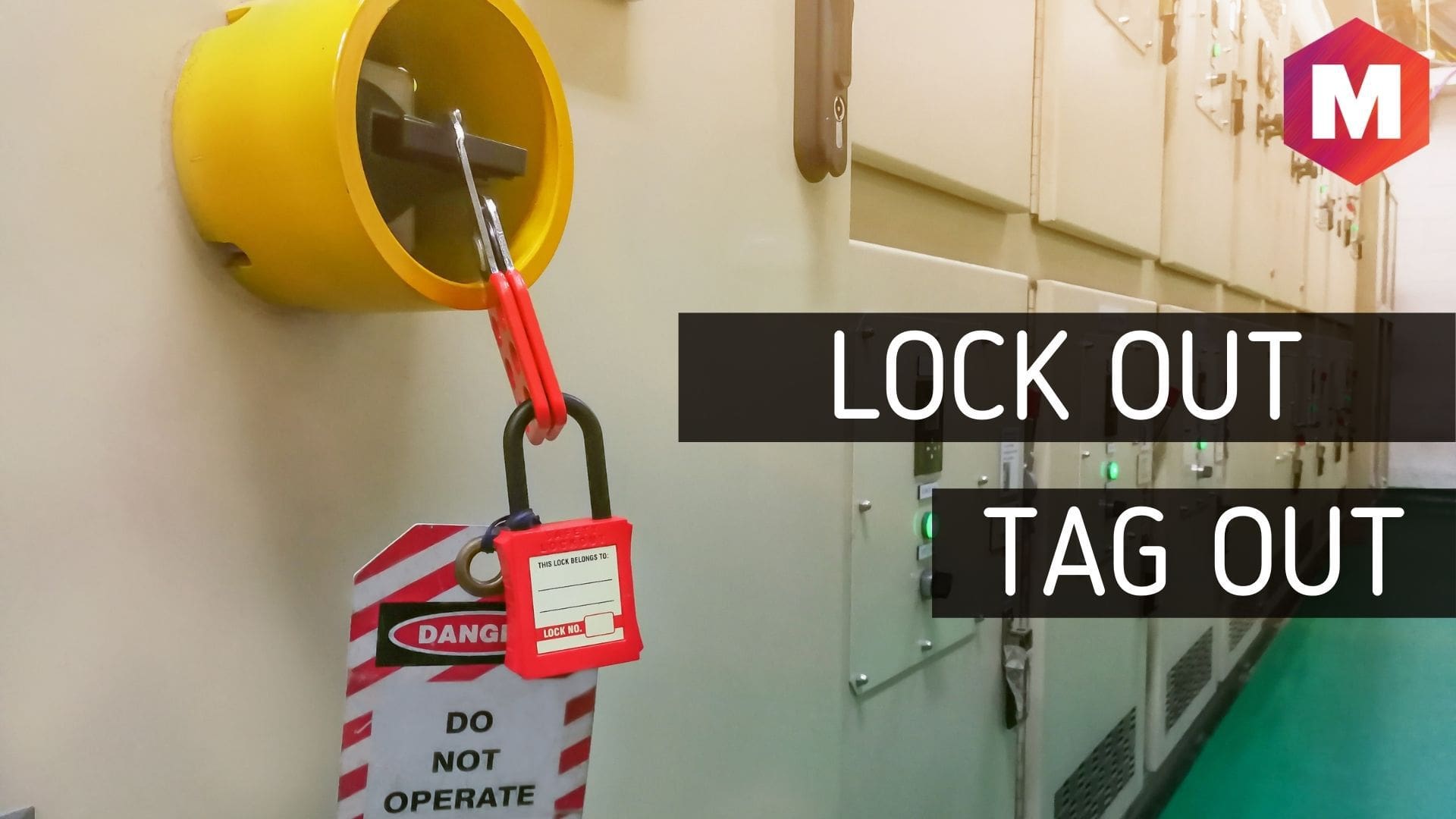
- Using a master lock or shared lock: Each worker must apply their own personal lock. Shared locks defeat accountability.
- Skipping energy verification: Assuming a machine is dead without testing leads to shock or startup accidents.
- Leaving tags faded or damaged: Illegible tags are useless. Use weather-resistant materials in harsh environments.
- Failing to train temporary workers: Contractors and temps must understand site-specific LOTO rules.
- Rushing the process: Bypassing steps to “save time” is a top cause of accidents.
A better approach? Implement a LOTO checklist and conduct regular audits. Train all affected employees—not just maintenance staff—on the basics of recognizing lockout devices and understanding not to interfere.
Is Tagout Ever as Safe as Lockout?
Technically, no. Tagout relies on people seeing, reading, and obeying a warning. But human error, distraction, or urgency can override compliance.
That said, in environments where lockout is genuinely unfeasible, a well-designed tagout system with layered protections can be effective. For example:
- Dual verification (two people confirm the tag is in place)
- Physical barriers (locking access doors or using lockout stations)
- Remote monitoring (alarms that trigger if equipment is tampered with)
Still, if engineering controls allow for lockout, they should be implemented.
Building a Reliable LOTO Program
A strong energy control program goes beyond locks and tags. It includes:
- Written procedures for each piece of equipment
- Employee training (initial and annual refreshers)
- Periodic inspections (at least yearly)
- Clear communication during shift changes
- Use of lockout stations with standardized kits
Investing in lockout has a measurable ROI: reduced downtime from accidents, lower insurance premiums, and improved compliance during OSHA inspections.
Final Thoughts: Safety Is a Process, Not a Device
Understanding what tagout and lockout are is only the beginning. The real challenge lies in consistent execution. A tag is only as strong as the culture behind it. A lock is only effective if it’s used correctly, every time.
In high-risk environments, shortcuts have consequences. The few seconds saved by skipping a lockout step aren’t worth the risk of permanent injury—or worse.
If you work around machinery, know the procedures. If you manage a team, enforce them. Lockout isn’t just a rule. It’s a commitment to go home whole at the end of the shift.
Implement LOTO right: isolate energy, apply personal locks, verify zero energy, communicate clearly, and never assume safety.
FAQ
What is the main purpose of lockout and tagout? To control hazardous energy during servicing or maintenance, preventing unexpected startup or release of stored energy.
Can tagout be used instead of lockout? Only when lockout is not feasible. OSHA requires additional safety measures if tagout is used alone.
Who is responsible for applying lockout/tagout devices? Authorized employees—those trained and responsible for implementing energy control procedures.
Do all employees need LOTO training? Yes. Authorized employees get full training; affected employees (e.g., operators) must understand the purpose and not interfere.
What counts as hazardous energy? Electrical, mechanical, hydraulic, pneumatic, chemical, thermal, or gravitational energy that can cause injury.
How often should LOTO procedures be inspected? At least annually, with documentation of the inspection and any corrections made.
Can multiple people work on the same machine under LOTO? Yes, using group lockout. Each worker applies their own lock, and a primary coordinator manages the process.
FAQ
What should you look for in What Is Tagout and Lockout? A Complete Safety Guide? Focus on relevance, practical value, and how well the solution matches real user intent.
Is What Is Tagout and Lockout? A Complete Safety Guide suitable for beginners? That depends on the workflow, but a clear step-by-step approach usually makes it easier to start.
How do you compare options around What Is Tagout and Lockout? A Complete Safety Guide? Compare features, trust signals, limitations, pricing, and ease of implementation.
What mistakes should you avoid? Avoid generic choices, weak validation, and decisions based only on marketing claims.
What is the next best step? Shortlist the most relevant options, validate them quickly, and refine from real-world results.